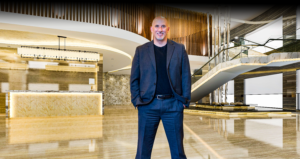
Matthew C Camp, MD Board Certified Plastic Surgeon
There are many things we take as a matter of course.One of these things is that professionals are qualified and competent to perform the services that they offer to the public.Unfortunately, this is not always clear and obvious to consumers of cosmetic surgical procedures.
Becoming board certified in plastic surgery requires a long and arduous training track.After four years in medical school, we must complete a rigorous residency training program that lasts for at least six years, followed by extremely difficult written and oral examinations administered by the American Board of Plastic Surgery. Only after completing all of these measures can one become certified by the American Board of Plastic Surgery, and therefore eligible to be inducted into the membership of the American Society of Plastic Surgeons.
By passing all of these measures, you are assured that the doctor meets the highest standards in the skilled, safe, and ethical provision of plastic surgery.
Advertising "plastic surgery" that is often performed by non-board certified plastic surgeons is usually effective and professional-looking. Non-plastic surgeons’ advertising is effective and sites often look polished. The clues are in the details. If the provider is described only as “board certified”, this could mean any other medical specialty, such as emergency medicine, general surgery, pathology, psychiatry, and family medicine. These specialties have their own certification standards, but they are not part of Plastic and Reconstructive Surgery.
There are also boards not recognized at all by the American Board of Medical Specialties, in areas such as “cosmetic surgery” or “dermatological surgery” or “cosmetic facial plastic surgery”. Many of these types of physicians cannot get hospital operating room privileges, and therefore can only perform "plastic surgery" services in an office or clinic setting.The absence of hospital privileges is a red flag that the person is likely not qualified to perform invasive surgical techniques.
Too often, I meet patients unfortunate enough to have been treated by those who do not have the requisite training to perform effective, safe treatments.Many patients are completely blindsided by the fact that their provider was untrained and unqualified.A suboptimal result needs correction by an actual plastic surgeon. When you go to a website, look for the ASPS symbol of quality, which can only be obtained by surgeons who have met and passed the highest level of training and are Board Certified in Plastic Surgery.
The American Board of Plastic Surgery is the only plastic surgery certification board recognized by the American Board of Medical Specialties. There are other similar sounding boards such as the American Board of Cosmetic Surgery (ABCS) is not equivalent to the level of training and rigor that comes from certification by the American Board of Plastic Surgery (ABPS).
The American Board of Medical Specialties runs an informational patient education website where you can look up any physician and see what board(s) that individual is officially certified in.